
AI photo merger and AI image combiner sound interchangeable, but they are usually not solving the same level of problem.
If your job is a quick two-image blend, a photo merger is often enough. If your job is to rebuild a scene so it looks intentionally composed, an AI Image Combiner is usually the better tool.
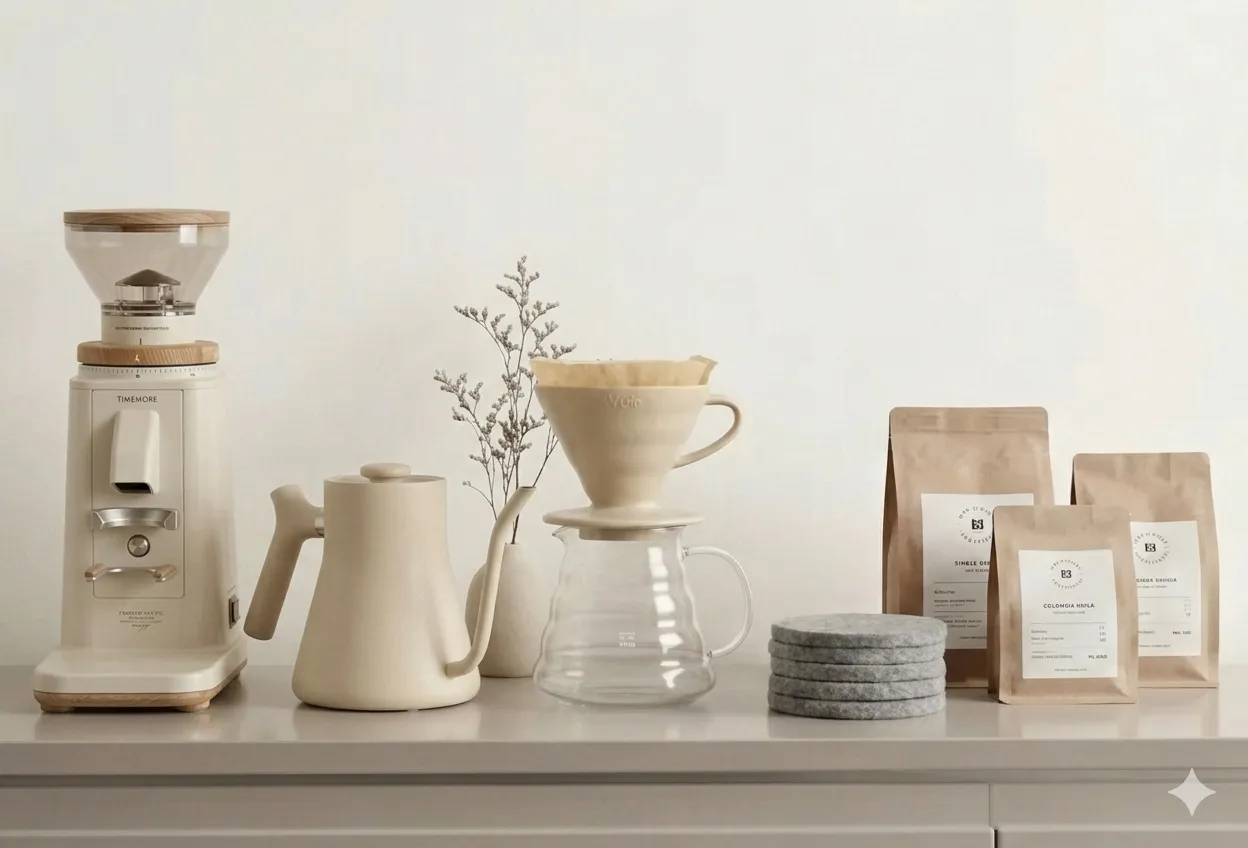
The difference is not just naming. It is the amount of control and scene logic the task requires.
Use AI photo merger for simpler two-image jobs
A photo merger is the better fit when:
- you only have two source images
- the composition is straightforward
- you want the fastest route to a result
- precise prompt control is not essential
Typical examples:
- combining two family photos into one frame
- making a simple travel composite
- blending two related images for a quick visual
That is where AI Photo Merge makes sense. It is lighter, more direct, and often faster for basic tasks.
Use AI image combiner when the scene needs rebuilding
An image combiner is the better fit when:
- the final image needs to look newly constructed
- subject placement matters
- realism matters
- you want to describe the result in natural language
- you may use more than two visual sources
Typical examples:
- placing a product into a lifestyle scene
- moving a person into a different environment
- combining several reference images into one concept image
- building a marketing visual from multiple sources
That is where AI Image Combiner becomes more useful. You are not just blending two files. You are guiding a composition.
The fastest way to decide
Ask one question:
Do I need a quick blend, or do I need a believable new scene?
If you need a quick blend, start with AI Photo Merge.
If you need a believable new scene, start with AI Image Combiner.
That one distinction removes most of the confusion.
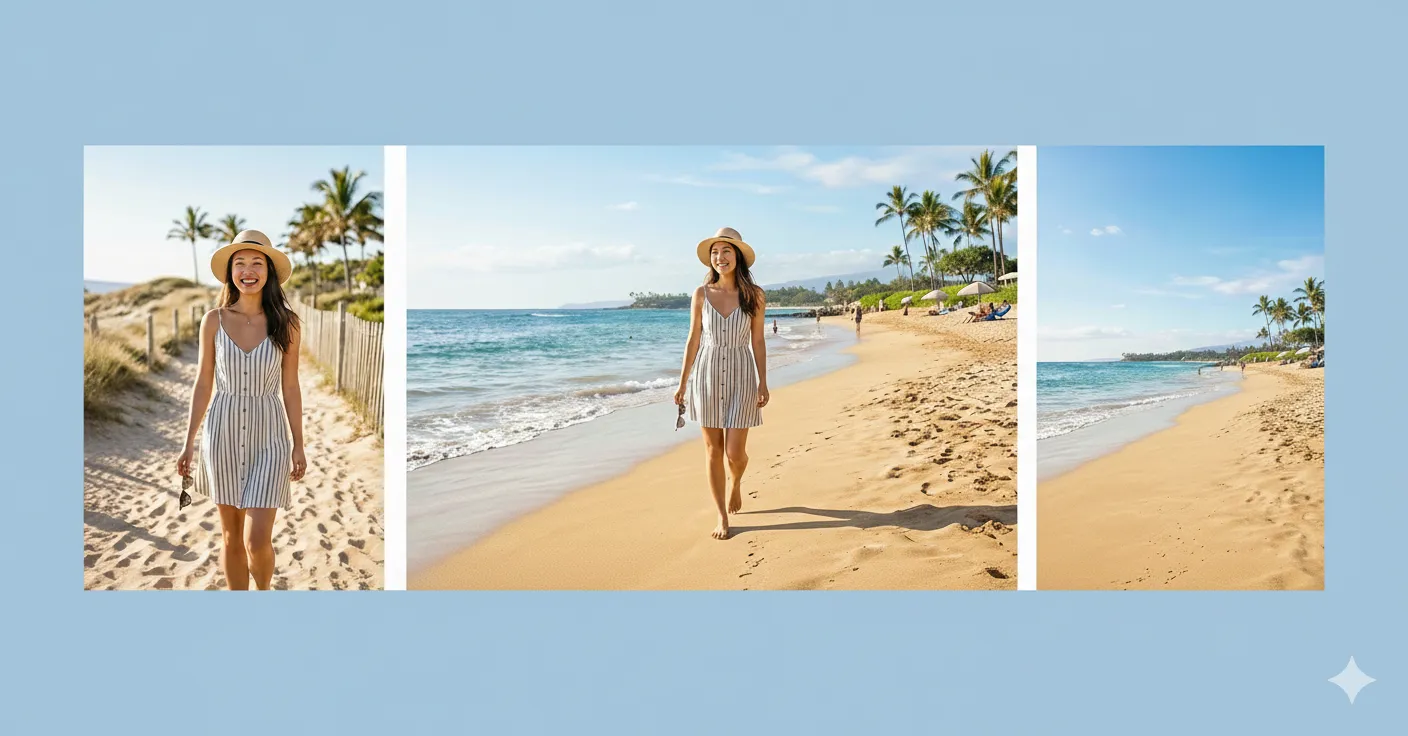
Scene-building tasks usually need more than a simple blend. They need prompt control and stronger composition logic.
What changes in practice
With a photo merger
You usually spend less time writing prompts and more time deciding whether the direct blend is good enough.
With an image combiner
You usually spend a bit more time describing the relationship between the images, but you get more control over:
- placement
- realism
- scale
- scene structure
- commercial usability
That tradeoff is usually worth it when the output will be used in public-facing content.
Common cases where people choose the wrong one
Using photo merge for a marketing composite
If you are trying to place a product into a polished branded environment, a simple merger may feel too limited.
Using image combiner for a tiny task
If all you need is a fast two-photo blend, a heavier workflow may slow you down for no real gain.
Judging by the preview, not the purpose
Sometimes both tools produce a visually interesting output. The better tool is the one that gets you closer to the actual job, not the one with the more dramatic preview.
A useful workflow rule
If the job is:
- simple
- two-image only
- low-risk
start with AI Photo Merge.
If the job is:
- prompt-driven
- composition-heavy
- realism-sensitive
- likely to need follow-up editing
start with AI Image Combiner.
Then, once the composition is right, sharpen or extend only if needed:
- use AI Image Upscaler when the result is good but soft
- use AI Image Extender when the scene works but feels cramped
If you want a broader comparison of composition tools, Scene Design Tools is the best place to compare them side by side.
Final thoughts
AI photo merger and AI image combiner are related workflows, but they are not identical. The first is usually better for speed. The second is usually better for control.
If your result needs to look like one believable scene rather than two files blended together, go straight to AI Image Combiner. If the task is simpler than that, AI Photo Merge may be all you need.